

Shoulder injuries are the most common types of injury that people suffer from. This is because the shoulder is a big muscle consisting of 3 sub delts: front, lateral and rear delt. These help the person doing their daily activities like lifting weight, pushing something.
So any type of fracture, dislocation and muscle strain in the shoulder region can significantly impact the life of a person and they will find it challenging to do daily activities.
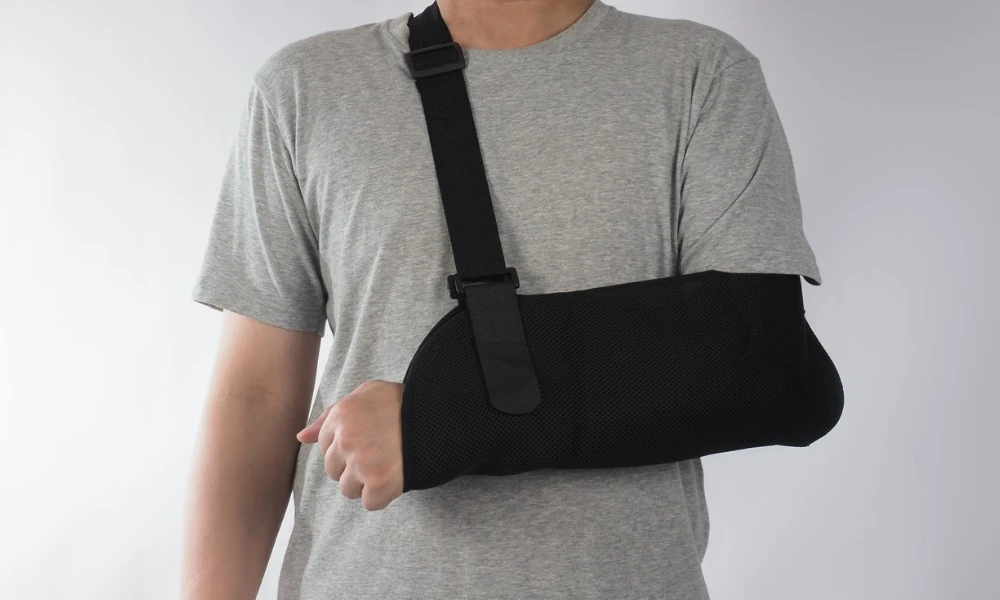
One of the simplest orthopedic devices is an arm sling. It is designed specifically for immobilizing the shoulder and providing support to the arm for a comfortable recovery. But not all the arm slings are the same because different types of injury require different levels of support.
So choosing a right arm sling pouch as per your injury can notably improve the comfort and support. Therefore, in this blog we will talk about the importance of arm sling, different types of slings and how to choose the right sling for your injury that helps you provide more support and comfort in your recovery phase.
Why is an Arm Sling Important?
An arm sling is important in the recovery phase of arm injury because the injured arm needs proper care therefore the design of the arm sling helps immobilize the injured and provides support to it which prevents any excessive movement of the arm and also provides comfort during day to day activities. By keeping the arm stable, it ensures:
- Reducing any type of swelling and pain
- Preventing the injured arm from any extreme movement
- Increasing comfort during daily activities
- Promoting a safer and comfortable healing
That’s why doctors recommend an arm sling to the patients as it offers this many benefits to them.
Types of Arm Sling
In the market different types of arm sling are available that offer different levels of support. Some common types of sling are:
1. Standard Arm Sling
It is the most common type of sling people use nowadays. The design helps with providing support to the injured arm and immobilizing the arm. It also provides proper support to the wrist and elbow area. It is best for:
- Minor shoulder injuries
- Mild pain or muscle stiffness
- Wrist and forearm injury
Major advantages of this sling is its lightweight and comfortable fabric, easy to wear and adjust and is easily available in the market.
2. Shoulder Immobilizer
It is a more advanced version of the normal arm sling as it provides more support and stability than a normal sling. Moreover its key feature is a waist strap that helps keeping the arm firmly against the body that aids in more arm support. It is most widely used for injuries like:
- Shoulder dislocation
- Rotator cuff injury
- Recovering from a surgery
Its main benefits are it provides superior support to the shoulder, ensures restricted movement and prevents further damage.
3. Elevation Sling
Some people often face problems such as swelling or tingling during their recovery phase as the arm does not move that much but this elevation sling helps with that as it holds the arm slightly higher such that the fingertips touches the other shoulder. It mainly offers:
- Helps in reducing the swelling
- Provides support to injured arm
- Improves blood circulation in the injured arm
4. Abduction Sling
The design of this sling is slightly different from regular sling as it features a contoured pillow that helps in placing the shoulder a few inches away from the body that helps in relieving stress on tandons. It is mostly used for:
- Injuries related to rotator cuff
- Shoulder dislocation
- Tendons repairment
It aids in keeping good shoulder alignment, promotes better blood circulation and reduces pressure on the tissues.
Features to Look for in an Arm Sling
To get a good shoulder support arm sling, your arm sling should have these following key features:
1. Adjustable Straps
The elastic straps in the arm sling help in adjusting the arm sling according to your preference and comfort. It helps you to adjust the sling so you do not face any discomfort while getting all the required support.
2. Breathable and Soft Fabric
Since arm slings are worn for an extended period of time, having a breathable and soft fabric is essential so that the user does not experience any kind of discomfort and skin related problems and providing more comfort.
3. In-built Thumb Loop
Having an in-built thumb loop is key as it helps in providing additional support, protecting the hand from getting out of its position and also reducing the wrist strain.
Avoid Common Mistakes
Many people make common mistakes while wearing the arm sling that reduces the support and comfort of the arm. Avoid these following mistakes to get more comfortable experience:
- Wearing a wrong size sling can cause discomfort
- Sleeping with sling without any proper support to the injured arm may worsen the condition
- Ignoring consistent pain signs also affects the recovery process
Wrapping Up
Many people suffering from shoulder or arm injury often wear an arm sling that helps them do their day to day activities, reduces discomfort and provides constant support to the injured arm. But choosing the right arm sling out of these different types of arm sling that offers different levels of support according to your injury type is not easy.
So understanding the difference between different arm slings and their advantages, key features like soft breathable fabric, adjustable straps and in-built thumb loop and avoiding common mistakes that most people make can make a significant difference in your recovery journey.
