

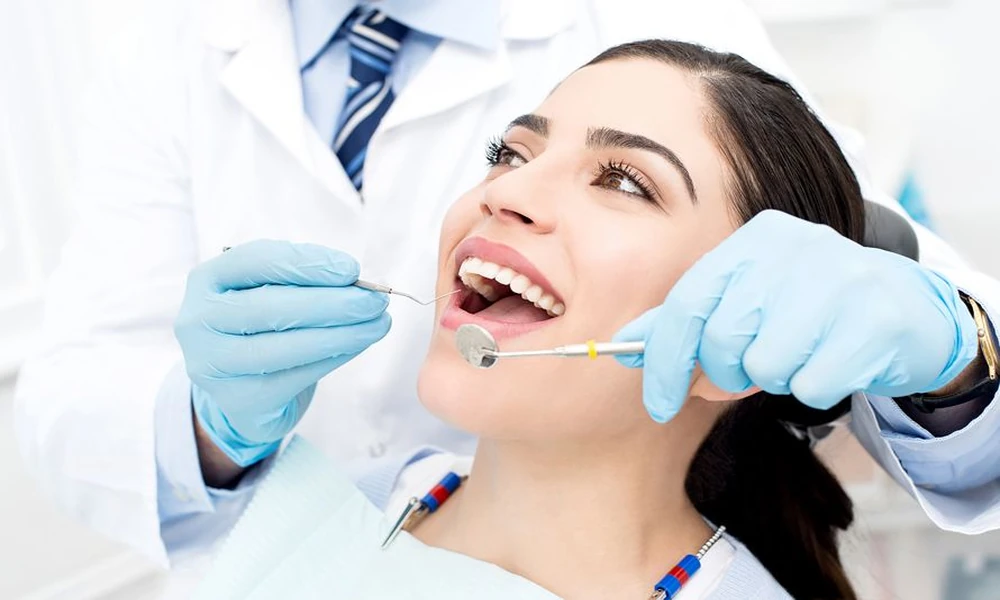
You brush your teeth, you try to remember floss, and still that little worry shows up before every dental visit. Maybe it is the fear of hearing about a new cavity, the need to care for a broken or cracked tooth in Laguna Niguel, or the frustration of doing “enough” and not feeling sure it is working. A lot of people live in that space. Oral health often slips into autopilot until something hurts, and by then the fix is usually more expensive, more time consuming, and more stressful than anyone wants.
The good news is that 5 Everyday Habits That Support Preventive Dentistry Goals are not complicated or extreme. They are small daily choices that lower your risk of decay, gum disease, bad breath, and avoidable dental work. Good prevention is less about perfection and more about consistency. A few steady habits, done most days, can protect your teeth and gums in ways that really add up.
Daily oral care habits shape long term dental health
Skipping one night of brushing may not seem like a big deal. That is usually how problems start. Plaque builds quietly, sugars feed bacteria, gums get irritated, and enamel wears down little by little. You do not feel a cavity forming in real time. You notice it once sensitivity shows up, or when your dentist points to a spot on an X ray and says it needs attention.
That is the heart of preventive care. It catches the small things before they become painful and expensive. A preventive dental care routine at home supports what a general dentist does in the office. Cleanings, exams, and X rays matter, but they cannot outwork daily habits that leave teeth exposed to plaque and sugar for hours at a time.
People often assume prevention means doing more. Most of the time, it means doing the basics better. Brushing for a full two minutes, flossing where your toothbrush cannot reach, drinking fewer sugary beverages, and paying attention to dry mouth are not dramatic changes. They are the kind that protect you quietly over months and years.
Brushing and flossing work best when the routine is consistent
Brushing twice a day with fluoride toothpaste remains one of the strongest habits for preventing decay. The fluoride helps strengthen enamel, and the brushing removes plaque before it hardens. Technique matters too. Fast, aggressive brushing can miss the gumline and even irritate soft tissue. Gentle circles and full coverage do more than scrubbing hard for thirty seconds.
Flossing is where many people struggle. It feels easy to skip because the results are not obvious right away. The spaces between teeth are where food particles and plaque settle, and those areas are common places for cavities to start. If traditional floss feels awkward, floss picks or a water flosser may be easier to stick with. The best tool is the one you will actually use every day.
The National Institute of Dental and Craniofacial Research oral hygiene guidance reinforces these basics because they work. They are simple, but they are not small.
What you drink every day affects preventive dentistry goals
Many people think about candy when they think about cavities, but drinks are often the bigger issue. Soda, sports drinks, sweet coffee, energy drinks, and even juice can keep teeth bathed in sugar and acid. Sipping them slowly throughout the day is harder on teeth than drinking them with a meal, because the exposure lasts longer.
If you have ever thought, “I do not even eat that much sugar, so why am I getting cavities,” your drinks may be part of the answer. The CDC explains the health impact of sugar sweetened beverages, and your mouth feels that impact too. Water is the simplest swap. It rinses the mouth, supports saliva, and does not feed cavity causing bacteria.
Saliva does more work than most people realize. It helps wash away food, balance acids, and protect enamel. That is why dry mouth can raise your risk for tooth decay. Some medications, mouth breathing, and not drinking enough water can all reduce saliva flow. If your mouth often feels dry, that is worth bringing up with a general dentist.
Everyday preventive dental habits work better than occasional catch up efforts
One long brushing session after a weekend of neglect does not erase the buildup that happened before it. The same goes for flossing only the night before a dental cleaning. Your gums can tell the difference between a steady routine and a last minute rescue attempt, and so can your dentist.
Daily dental prevention is less glamorous than treatment, but it is usually cheaper, easier, and far less disruptive. A filling may fix one spot, but it does not change the habits that caused the problem. Prevention does.
| Habit | Common Shortcut | Likely Result Over Time | Better Everyday Choice |
|---|---|---|---|
| Brushing | Quick 30 second brush | Plaque left along gumline and back teeth | Brush twice daily for 2 minutes with fluoride toothpaste |
| Cleaning between teeth | Flossing only before appointments | Higher risk of gum irritation and cavities between teeth | Floss or use an interdental cleaner once a day |
| Drink choices | Sipping sweet drinks all day | Frequent acid and sugar exposure | Choose water more often and limit sugary drinks |
| Snacking | Constant grazing on sticky or sweet foods | More fuel for bacteria between brushings | Keep snacks structured and rinse with water after eating |
| Dental visits | Waiting for pain | Small issues become larger treatments | Keep regular checkups with your general dentist |
Small changes can support better oral health starting today
Set one fixed brushing and flossing schedule. Tie it to parts of your day that already happen, like after breakfast and before bed. Habits stick better when they are attached to routines you do without thinking.
Change what you sip most often. If sweet drinks are part of your day, start by replacing one with water. That one switch lowers sugar exposure and gives your mouth a better chance to recover between meals.
Book and keep routine dental visits. Home care and professional care work together. Regular exams and cleanings help catch early signs of decay, gum problems, grinding, and dry mouth before they turn into bigger issues.
Preventive dentistry goals become easier when the habits are realistic
You do not need a perfect routine to make real progress. You need a routine you can repeat. That is what protects your teeth when life gets busy, when energy is low, and when dental care feels easy to push aside. Small daily choices are what keep minor issues from becoming major ones.
If you want to stay ahead of cavities and gum disease, focus on these everyday habits and keep up with visits to a general dentist. Prevention works best when it becomes part of normal life, not a last minute response to pain.
