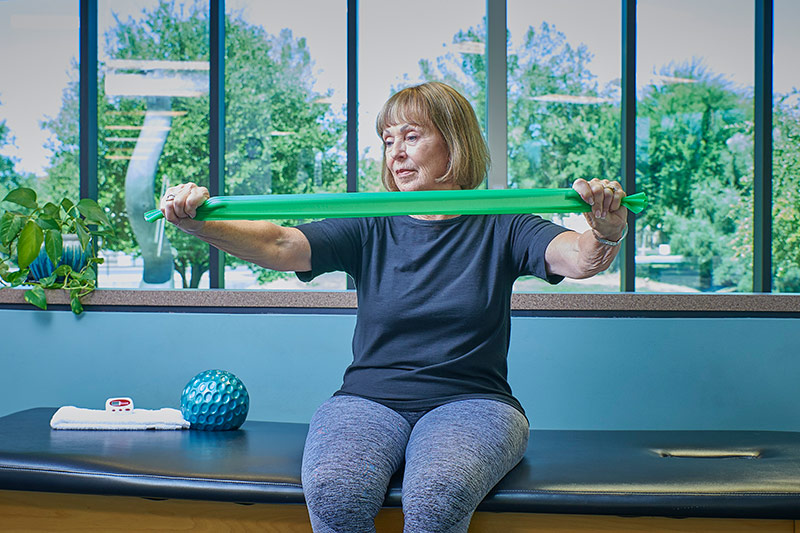
The journey to spinal surgery often begins with uncertainty, discomfort and difficult choices. Yet one of the most overlooked steps in that process happens before the first incision. Dr. Larry Davidson, a leader in minimally invasive spine surgery, recognizes that preparing the body for surgery through targeted movement can significantly improve patients’ recovery after surgery.
Prehabilitation, structured physical therapy and conditioning before spinal procedures, is gaining attention as a powerful way to improve outcomes, reduce complications and increase confidence for those facing back or neck operations. Even when surgery is inevitable, patients can do a lot beforehand to ensure their bodies are stronger, more flexible and better equipped to heal.
What Prehabilitation Really Means
Unlike rehabilitation, which occurs after surgery, prehabilitation focuses on strengthening muscles, improving flexibility and reinforcing joint support before entering the operating room. This preparation supports spinal alignment and muscular balance, easing the physical demands placed on healing tissues post-surgery.
For spinal procedures, particularly those addressing herniated discs, spinal stenosis or degenerative disc disease, patients often arrive with long-standing weaknesses or compensatory movement patterns. Prehabilitation aims to address these issues early, preventing them from becoming barriers during recovery.
It also helps familiarize patients with the types of exercises they’ll use in post-op rehab, creating a smoother, more confident transition when it’s time to move again.
Strengthening the Support System
A strong spine needs strong support. Pre-surgery therapy programs typically focus on building strength in the core, glutes and surrounding stabilizers. These muscles play a central role in offloading pressure from the spine and maintaining proper posture during movement.
Core exercises such as pelvic tilts, bridges and modified planks are often included, along with glute activation drills and upper back strengthening. Movements are scaled to each patient’s current mobility and pain tolerance, with a goal of progressing, rather than straining the system.
Building strength before surgery improves tissue quality, supports better circulation and primes the nervous system for recovery. It also helps reduce reliance on pain compensation behaviors, such as shifting weight to one side or overusing certain joints.
Improving Flexibility and Movement Quality
Alongside strength, prehabilitation focuses heavily on mobility. Limited range of motion in the hips, thoracic spine or shoulders can contribute to dysfunctional movement and post-op compensation.
Stretching routines focus on common problem areas like tight hip flexors, hamstrings, and chest muscles that often limit spinal mobility. Gentle movements such as spinal rotations, pelvic tilts, and guided breathing exercises help promote smoother, more efficient body mechanics.
Improving flexibility ahead of surgery makes it easier for patients to participate in post-op rehab. It also helps prevent adjacent joint strain when returning to daily activities such as walking, sitting or reaching.
Building Cardiovascular Endurance
Though often overlooked, cardiovascular fitness plays a key role in surgical outcomes. Better endurance supports wound healing, reduces inflammation and improves energy levels post-op. Prehabilitation routines may include low-impact activities such as walking, stationary cycling or aquatic movement, depending on the individual’s condition.
By maintaining or improving cardiovascular health, patients are better able to tolerate anesthesia, reduce hospital stays and handle post-op therapy demands. Strong cardiovascular function also aids in quicker wound healing and lowers the risk of complications, such as blood clots or infections.
Supporting Mental Preparation
Surgery often brings anxiety, and fear of post-op pain or immobility can weigh heavily on patients. One of the hidden benefits of prehabilitation is psychological readiness.
Participating in a pre-surgery program fosters a sense of control. Patients begin to see how movement can ease pain and support recovery. This early success helps reframe the procedure not as an endpoint, but as a transition toward regaining function.
Dr. Larry Davidson mentions that patients who engage in structured prehabilitation tend to approach recovery with more resilience and less fear. They understand their role in healing and feel better equipped to follow through.
Tailored Plans for Common Conditions
Prehabilitation isn’t one-size-fits-all. It adapts to the patient’s spinal condition and planned procedure.
For example:
- Herniated discs – Focus is placed on core stability, hip mobility and movement control to reduce nerve irritation and prepare tissues for decompression.
- Spinal stenosis – Programs often emphasize posture, gentle stretching and upright tolerance to reduce pressure on compressed nerves and improve functional mobility.
- Scoliosis or structural deformities – Exercises help balance muscular tension and promote alignment before corrective surgery.
Physical therapists or spine specialists guide each plan and coordinate with the surgical team to match it to the expected recovery timeline.
A Short-Term Investment with Long-Term Benefits
In many cases, patients who participate in prehabilitation report less post-op pain, shorter hospital stays, and earlier returns to daily activities. They often need less medication and fewer therapy sessions, thanks to the foundation built before the operation.
Research continues to support the idea that “prehab” isn’t just a bonus. It’s a strategic part of modern surgical care. The process also increases patient satisfaction. When people feel physically and mentally prepared for what’s ahead, they are more likely to adhere to post-op guidelines, avoid complications and reach recovery milestones faster.
Making It Accessible
While not all patients are automatically referred to prehabilitation, those who advocate for it often gain access through outpatient physical therapy clinics, hospital pre-op education programs or spine-focused wellness centers.
Even modest movement, under proper guidance, can make a measurable impact. Once a procedure is on the horizon, patients are encouraged to speak with their care teams as early as possible about pre-surgery strengthening options. For those facing insurance limitations or mobility constraints, home-based programs guided through telehealth or mobile apps may be available as an alternative.
A Smarter Way to Approach Surgery
Waiting for surgery doesn’t mean waiting passively. Prehabilitation transforms that time into an opportunity. By strengthening muscles, restoring movement and preparing mentally, patients step into surgery more confidently, more capable, and more likely to recover smoothly.
The body is more resilient when it’s cared for before the stress of surgery begins. With prehabilitation, that care starts early, and the benefits continue long after the procedure is done. It promotes faster healing, reduces complications and shortens hospital stays. Just as importantly, it empowers patients with a sense of control at a time when uncertainty often dominates.