
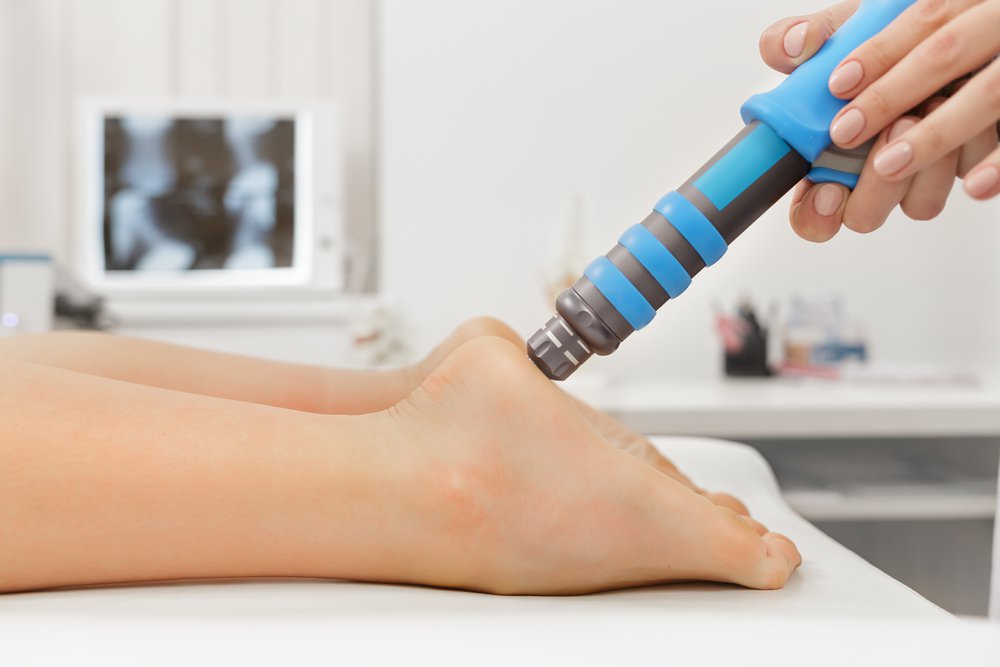
Persistent pain from long-term musculoskeletal issues affects millions across the United Kingdom. These conditions often limit daily activities and reduce quality of life. Many people seek alternatives when conventional approaches provide insufficient relief.
Extracorporeal shockwave therapy represents a scientifically-backed option that addresses root causes rather than just masking symptoms. This non-invasive modality has gained significant recognition in modern physiotherapy practice.
The approach originated in the 1980s as lithotripsy for kidney stones before being adapted for orthopaedic use. It works by emitting acoustic waves that carry energy through tissues. These waves generate biological responses at cellular level.
The treatment promotes beneficial effects including pain relief, improved blood flow, and tissue regeneration. It stimulates the body’s natural healing processes without surgical intervention.
This therapy fits between conservative treatments like physiotherapy exercises and more invasive surgical options. It offers a middle ground for conditions that haven’t responded to initial approaches. Understanding this option helps people make informed decisions about their musculoskeletal health.
Key Takeaways
- Shockwave therapy addresses chronic pain at its source rather than simply managing symptoms
- This non-invasive treatment originated from technology used for kidney stones in the 1980s
- The approach uses acoustic waves to stimulate natural healing processes in tissues
- It occupies a middle ground between conservative physiotherapy and surgical intervention
- Many chronic musculoskeletal conditions that resist initial treatment may respond well
- The therapy promotes biological responses including pain relief and tissue regeneration
- Understanding this option helps individuals make informed choices about their care pathway
Introduction to Shockwave Therapy
Medical innovation often crosses specialty boundaries, as demonstrated by the journey of acoustic wave technology from urology to orthopaedic care. This transition represents a fascinating example of how medical tools can find new applications.
Background and Evolution of ESWT
Extracorporeal shockwave therapy originated in the 1980s as lithotripsy for kidney stones. Researchers discovered the same acoustic waves could address calcifications in bones and soft tissue.
In 1993, pioneering work by Loew and Jurgowski applied this technology to shoulder tendinosis. This marked the beginning of orthopaedic applications for chronic conditions.
The approach evolved from high-energy stone fragmentation to lower-energy protocols. Modern extracorporeal shockwave treatment focuses on stimulating biological healing responses.
Clinical Applications in Musculoskeletal Care
This therapy now addresses various stubborn musculoskeletal conditions. It shows particular effectiveness for chronic tendinopathies affecting multiple areas.
Clinical studies demonstrate impressive success rates across different applications. Plantar fasciitis treatment achieves approximately 81% success, while lateral epicondylitis shows around 60% effectiveness.
The treatment extends beyond tendons to include non-union fractures and avascular necrosis. This versatility makes extracorporeal shockwave a valuable option for various persistent conditions.
How Shockwave Therapy in Managing Chronic Musculoskeletal Conditions Works
The therapeutic process begins with a specialised machine that generates targeted acoustic energy. This equipment uses compressed air to accelerate a projectile inside a tube at remarkable speeds.
When this projectile strikes the applicator head placed against the skin, its kinetic energy converts into acoustic pressure waves. Different applicator heads allow practitioners to focus this energy over wide or precise areas.
Mechanism and Biochemical Effects
These pressure waves penetrate bodily tissues deeply, reaching structures up to 6 centimetres beneath the surface. The waves feature extremely rapid pressure changes that create distinct biological effects.
Four sequential reaction phases occur within the tissue. The physical phase involves energy transmission and cavitation effects that increase cell membrane permeability.
This triggers the physicochemical phase where biochemical reactions release signalling molecules like adenosine triphosphate. These molecules activate crucial healing pathways within cells.
During the chemical phase, ion channel functions alter and calcium mobilisation occurs. This leads to the final biological phase where tissue regeneration and anti-inflammatory effects manifest.
The treatment stimulates increased blood flow to the affected area, delivering essential nutrients while removing inflammatory substances. This controlled pro-inflammatory response paradoxically reduces chronic inflammation and pain.
Through mechanotransduction, mechanical energy converts into biological signals that promote protein synthesis and cellular proliferation. This comprehensive process addresses pain at its source while encouraging natural healing.
Preparing for Your Shockwave Therapy Session at The Physio Practice UK
Clinical teams provide clear guidance to optimise each patient’s experience. Understanding the process helps individuals feel comfortable and prepared for their appointments.
What to Wear and Session Guidelines
Wearing appropriate clothing ensures easy access to the treatment area. For knee or elbow issues, loose shorts or tracksuit bottoms work well. Shoulder problems require vests or loose tops.
The clinical team positions patients comfortably before applying a water-based gel. This gel helps transmit the acoustic waves effectively. Sessions typically last about 20 minutes.
Actual treatment application takes approximately 15 minutes. During this time, around 2000 pulses are delivered. The intensity builds gradually based on personal pain tolerance.
Practitioners aim for a subjective pain level of five out of ten. This approach ensures therapeutic effectiveness while maintaining comfort. Patients complete three sessions over consecutive weeks.
Safety and Precautions
This treatment isn’t suitable for everyone. It’s not approved for pregnant patients or those with tumours near the treatment area. Complete tendon rupture also excludes individuals.
Diagnostic imaging isn’t routinely required before starting. However, X-rays may be recommended if the team needs confirmation. Careful patient selection ensures safety.
This approach helps many people avoid surgery. The protocol balances effectiveness with important safety considerations. The clinical team assesses each case individually.
Benefits and Healing Process of Shockwave Treatment
Patients experience dual benefits from this approach, addressing both immediate discomfort and long-term tissue repair. The treatment’s effectiveness stems from its ability to trigger the body’s natural healing mechanisms.
Pain Relief and Tissue Regeneration
This modality delivers comprehensive relief through multiple pathways. It reduces pain signals by affecting sensory nerve fibres and inflammatory mediators. Simultaneously, it stimulates tissue regeneration by releasing growth factors like transforming growth factor β1.
The treatment promotes collagen formation and cell proliferation. This helps individuals avoid repeated steroid injections that can damage tendons over time. Many people notice improvement after their first session.
Key advantages include:
- Protection against wear and tear through lubricin expression
- Shift from pro-inflammatory to anti-inflammatory macrophage types
- Sustainable alternative to interventions that merely mask symptoms
Stimulating Blood Flow and Reducing Inflammation
Enhanced vascularisation delivers oxygen and nutrients to affected areas. This increased blood flow supports cell regeneration while removing waste products. The process creates a controlled inflammatory response that ultimately resolves chronic issues.
Bone healing also benefits from improved circulation. In nonunion fractures, the approach stimulates haematoma formation that facilitates proper reconnection. Most patients achieve lasting results within two or three sessions over six to twelve weeks.
Managing Side Effects and Questions About ESWT
Many people considering this procedure have questions about what happens after sessions. Understanding the recovery process helps set realistic expectations for this treatment option.
Post-Treatment Recovery
Discomfort levels during application vary between individuals. Most patients describe sensations as manageable rather than severely painful. Body parts with less padding tend to be more sensitive.
Therapy settings adjust based on patient feedback during sessions. Any discomfort stops immediately when treatment concludes. A mild ache might develop later but typically resolves within a day.
Common side effects include temporary redness or slight bruising. These minor reactions usually clear quickly without intervention. The table below shows what patients might experience:
| Common Side Effects | Frequency | Duration | Management |
|---|---|---|---|
| Temporary skin redness | Very common | Few hours | No action needed |
| Mild bruising | Common | 2-3 days | Ice if preferred |
| Localised soreness | Common | 24-48 hours | Paracetamol if required |
| Tendon rupture risk | Rare | N/A | Proper patient selection |
Patients should avoid anti-inflammatory medications after sessions. These drugs can interfere with the healing process. Paracetamol remains acceptable for pain management.
Normal activities can usually resume immediately. Light exercise is permitted if patients feel comfortable. The National Institute for Health and Care Excellence considers this a safe option with minimal side effects.
Patient Experience and Insights from The Physio Practice
The journey from persistent discomfort to restored function is best understood through authentic patient narratives. These real-world accounts provide valuable perspective for individuals considering their treatment options.
Real Patient Stories and Outcomes
Many people with chronic plantar fasciitis affecting the foot report significant improvement after shockwave therapy. They often notice reduced heel pain immediately following their first session.
Individuals with lateral epicondylitis find relief from stubborn elbow discomfort. The targeted waves help address tendon issues that limited their work and sports activities.
Achilles tendinopathy patients frequently return to running after this treatment stimulates soft tissue healing. The therapy promotes natural recovery processes in the affected area.
Clinical studies show impressive success rates for various conditions. Plantar heel pain responds well in approximately 81% of cases. Lateral epicondylitis shows around 60% effectiveness.
The experienced team at The Physio Practice notes that most patients achieve lasting results within two or three sessions. Treatment works best when combined with appropriate rehabilitation exercises.
While individual responses vary, many avoid surgery through this approach. The therapy offers a non-invasive alternative for chronic muscle and tendon conditions.
Conclusion
For individuals seeking alternatives to conventional treatments, this non-invasive option provides a compelling pathway to recovery. Shockwave therapy in managing chronic musculoskeletal conditions represents an evidence-based approach that stimulates the body’s natural healing processes.
The treatment works through acoustic waves that penetrate deep tissues, promoting blood flow and tissue regeneration. This mechanism addresses various stubborn conditions from tendinopathies to plantar fasciitis.
Practical advantages include minimal side effects and short sessions, often helping patients avoid surgery. Most people achieve lasting results within two or three treatments over six to twelve weeks.
While individual responses vary, this therapy offers a scientifically validated option for suitable candidates. Consulting qualified professionals ensures this approach aligns with specific health needs and circumstances.
FAQ
What is extracorporeal shockwave therapy used for?
Extracorporeal shockwave therapy is primarily used to treat chronic musculoskeletal conditions. It is effective for issues like plantar fasciitis, tennis elbow, and calcific tendonitis. The treatment focuses on soft tissue to promote healing and reduce pain.
How does shockwave therapy work?
The therapy works by delivering acoustic waves to the affected area. These waves create microtrauma, which stimulates the body’s natural healing response. This process encourages increased blood flow and reduces inflammation in tendons and ligaments.
Are there any side effects from this treatment?
Most patients experience minimal side effects. Some temporary soreness, redness, or mild swelling in the treatment area is common. These effects typically subside within a few days. It is a non-surgical option with a strong safety profile.
How many sessions of shockwave treatment are usually needed?
A typical course involves three to five sessions. These are spaced about a week apart. The exact number depends on the specific condition and the patient’s individual response to the therapy.
Is shockwave therapy painful?
Patients may feel a tapping or prickling sensation during the procedure. The pressure of the applicator can be adjusted for comfort. Any discomfort is usually mild and brief, and the therapy is well-tolerated by most individuals.
Can I return to normal activities after my session?
Yes, most people can resume their daily activities immediately. It is often advised to avoid strenuous exercise or high-impact sports for about 48 hours post-treatment to allow the healing process to begin effectively.
How does this treatment differ from ultrasound therapy?
While both use energy waves, they work differently. Shockwave therapy uses high-energy acoustic pulses to stimulate healing deep in the tissue. Ultrasound uses sound waves to generate heat, which is better for superficial soft tissue warming.
Is shockwave therapy the same as the treatment for kidney stones?
The technology is similar but not identical. The shockwaves used for kidney stones are higher energy and focused precisely to break up stones. The energy levels for musculoskeletal conditions are lower and are designed to stimulate tissue repair without causing damage.


