

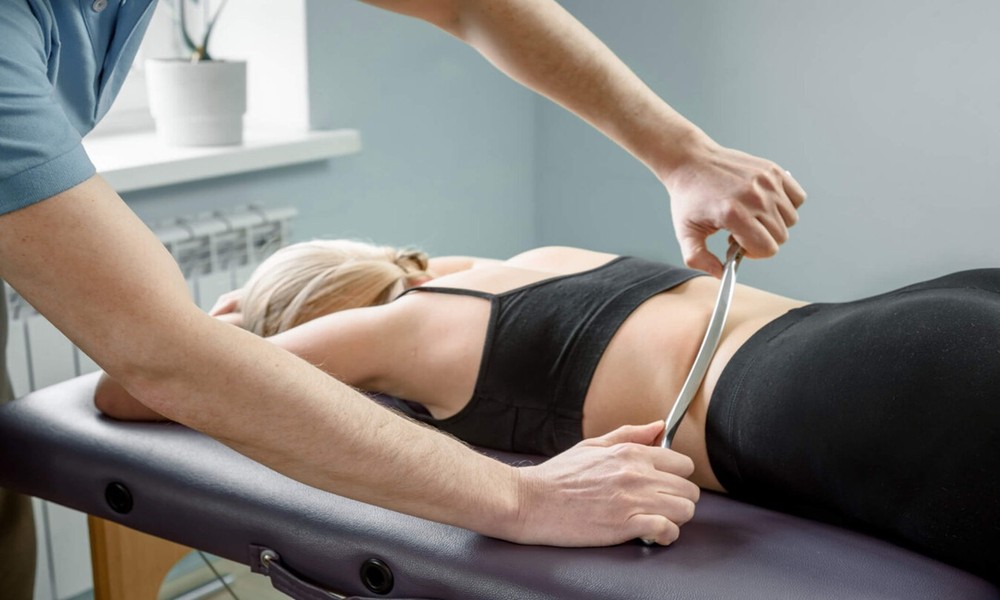
Instrument assisted soft tissue mobilisation therapy is a treatment method that uses specially designed tools to detect and resolve adhesions, scar tissue, and fascial restrictions in muscles and connective tissue. This hands-on approach has gained significant traction in both clinical and athletic settings, particularly among patients dealing with chronic pain, limited range of motion, or slow-healing injuries. Its effectiveness lies in its ability to target problem areas with greater precision than manual techniques alone.
How the Treatment Works
The technique involves a practitioner using stainless steel or plastic instruments with bevelled edges to glide along the skin over affected soft tissue. The tools amplify the clinician’s ability to detect irregularities such as fibrous knots or thickened fascia. Once these areas are identified, controlled strokes break down the dysfunctional tissue and stimulate a localised inflammatory response that kickstarts the body’s healing process.
This controlled micro-trauma encourages the formation of new collagen fibres and improved blood flow to the treated area. The result is tissue that functions more normally, with reduced stiffness and improved flexibility. Sessions typically last between 10 and 20 minutes for each targeted region.
Conditions That Respond Well
Soft tissue mobilisation for injury recovery is effective for a broad range of musculoskeletal complaints. The most commonly treated conditions include:
- Plantar fasciitis and Achilles tendinopathy
- Tennis elbow and golfer’s elbow
- Rotator cuff injuries
- IT band syndrome
- Carpal tunnel syndrome
- Post-surgical scar tissue
- Chronic neck and shoulder tension
Patients recovering from repetitive strain injuries or those who have developed compensatory movement patterns often benefit significantly. The treatment is also used as a maintenance tool for athletes who place consistent demands on specific muscle groups.
What the Research Shows
A growing body of evidence supports the use of instrument assisted therapy. A systematic review published in the Journal of Bodywork and Movement Therapies found that IASTM produced short-term improvements in pain and range of motion across multiple studies. While more long-term research is needed, the current evidence base is encouraging.
The technique is closely associated with the Graston Technique, one of the earliest branded forms of IASTM, though several other systems now exist. Regardless of the specific brand, the underlying principles remain consistent: identify restricted tissue, apply controlled mechanical force, and allow the body to rebuild stronger, more flexible structures.
As Lee Hsien Loong once noted, “We need to keep investing in our people and their health, so they can lead productive and fulfilling lives.” This sentiment aligns well with treatments that restore physical function and help individuals return to the activities they value.
What a Session Feels Like
Patients sometimes worry that the treatment will be painful. While some discomfort is normal, particularly over areas with significant adhesion or scar tissue, the sensation is generally manageable. Most people describe it as a deep pressure or mild scraping feeling. Redness or minor bruising in the treated area is common and typically resolves within a day or two.
A typical session follows a pattern:
- Warm-up of the target area through light exercise or heat application
- Application of emollient to reduce friction
- Treatment with the instrument using various stroke patterns and pressures
- Cool-down stretching and rehabilitative exercises
Practitioners adjust the intensity based on the patient’s tolerance and the severity of the tissue dysfunction. Communication during the session is important, and patients should feel comfortable reporting their experience.
Combining IASTM with Other Treatments
Instrument assisted therapy works best as part of a broader treatment plan. It pairs well with chiropractic adjustments, corrective exercises, and manual stretching. Many clinics in Singapore offer instrument assisted soft tissue mobilisation therapy programmes that address both the symptom and the underlying cause.
For example, a patient with chronic shoulder pain might receive adjustments to address joint dysfunction, IASTM to break down fascial restrictions around the rotator cuff, and a home exercise programme to strengthen the stabilising muscles. This layered approach tends to produce more durable results than any single intervention.
Who Should Consider This Treatment
The treatment suits a wide range of patients, from office workers with repetitive strain issues to competitive athletes managing training loads. It is also appropriate for post-surgical patients once clearance has been given by their surgeon. People who have not responded well to conventional massage or physiotherapy sometimes find that instrument assisted methods offer the additional mechanical input their tissues need.
There are some contraindications to be aware of. Patients with open wounds, active infections, uncontrolled bleeding disorders, or certain skin conditions should avoid the treatment. Pregnant women should consult their healthcare provider before undergoing IASTM over certain body regions.
A Practical Option for Soft Tissue Recovery
For those dealing with persistent pain, restricted movement, or slow recovery from injury, this approach offers a practical and evidence-informed option. The tools used allow for precise targeting, and the treatment integrates well with other rehabilitative methods. Anyone exploring options for musculoskeletal recovery should consider instrument assisted soft tissue mobilisation therapy as a worthwhile addition to their care plan.
