

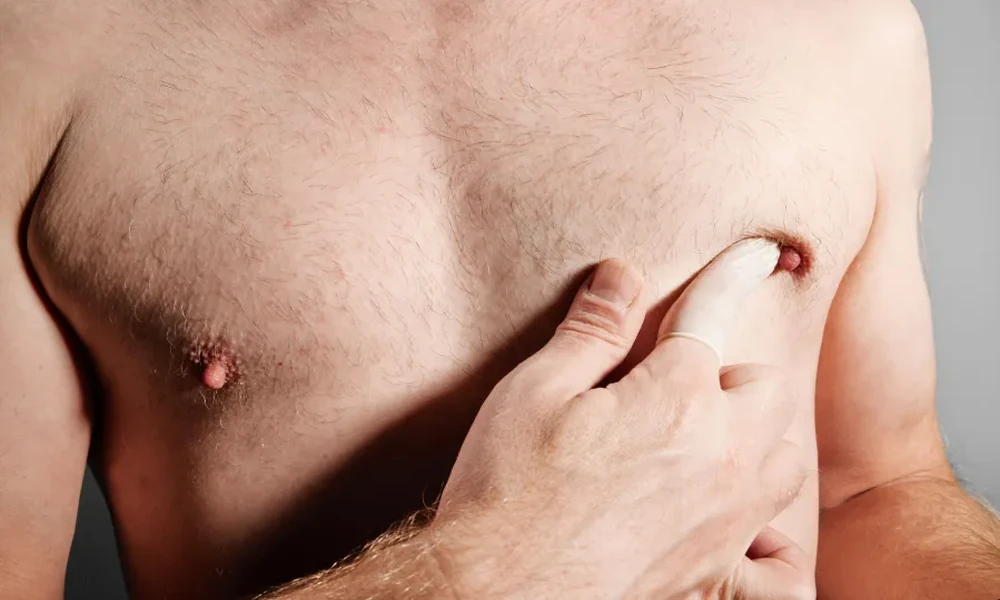
Breast cancer is often discussed as a women’s health issue, but men can develop it too. Because male breast cancer is rare, many people do not realise that changes in male breast tissue should be taken seriously. This lack of awareness can sometimes delay conversations with a doctor, which may lead to later diagnosis.
Understanding the signs, risk factors, and importance of early medical advice can help men feel more confident about speaking up when something changes. Awareness also helps families, partners, and communities support men who may feel embarrassed or unsure about seeking help.
What Is Male Breast Cancer?
Male breast cancer is cancer that develops in the breast tissue of men. Everyone is born with some breast tissue, which means breast cancer can affect people of any sex. Although it is much less common in men than in women, it can occur at any age and is more often diagnosed in older men.
The most common type is invasive ductal carcinoma, where cancer begins in the milk ducts and grows into surrounding breast tissue. Other types can occur, but they are less common.
Why Awareness Matters
One of the biggest challenges with male breast cancer is that many men do not expect it to happen to them. A lump, nipple change, or unusual discharge may be ignored or explained away as something minor.
Awareness can help change that. Men should feel able to check their chest area, notice changes, and speak to a healthcare professional without embarrassment. Learning more about Male Breast Cancer can also help families understand why early attention and open conversation matter.
Common Symptoms to Watch For
Male breast cancer symptoms can vary, but the most common sign is usually a lump or swelling in the breast or chest area. The lump may be painless, which is why it should not be ignored simply because it does not hurt.
Possible symptoms include:
- A lump or thickening in the breast tissue
- Changes to the nipple, such as turning inward
- Nipple discharge, especially if bloody
- Redness, scaling, or changes to the skin around the nipple
- Dimpling or puckering of the skin
- Swelling in the chest or underarm area
- Pain or tenderness that does not go away
These symptoms do not always mean cancer, but they should be checked by a doctor. Medical assessment is the safest way to understand what is causing the change.
Risk Factors for Men
Some men have a higher risk of developing breast cancer than others. A risk factor does not mean someone will definitely develop the disease, but it may increase the chance.
Risk factors can include:
- Increasing age
- Family history of breast cancer
- Inherited gene changes such as BRCA1 or BRCA2
- Previous radiation exposure to the chest
- Certain hormone-related conditions
- Liver disease
- Obesity
- Klinefelter syndrome
Men with a strong family history of breast or ovarian cancer may wish to discuss genetic risk with a healthcare professional.
The Importance of Early Medical Advice
Early medical advice can make a meaningful difference. If a man notices a lump, nipple change, discharge, or unusual skin change, he should book an appointment with a doctor rather than waiting to see if it disappears.
A doctor may carry out a physical examination and may recommend imaging tests or a biopsy if needed. These steps help confirm whether the change is benign or requires treatment.
Seeking advice early does not mean assuming the worst. It simply means taking the body seriously.
Treatment and Support
Treatment for male breast cancer may involve surgery, radiotherapy, chemotherapy, hormone therapy, targeted therapy, or a combination of approaches. The treatment plan depends on the type of cancer, stage, hormone receptor status, overall health, and individual circumstances.
Emotional support is also important. Men diagnosed with breast cancer may feel isolated because much of the public conversation around breast cancer is aimed at women. Support groups, specialist charities, family conversations, and counselling can all help men feel less alone.
Reducing Stigma Around Men’s Breast Health
Stigma can prevent men from talking about breast changes. Some may feel that breast cancer is not something that affects men, while others may feel uncomfortable discussing symptoms in the chest or nipple area.
Clearer awareness can reduce this barrier. Breast health is not about gender stereotypes. It is about recognising changes in the body and getting appropriate care. Open conversation can encourage earlier checks and better support.
FAQ
Can men really get breast cancer?
Yes. Men have breast tissue, so they can develop breast cancer. It is rare, but it does happen and should be taken seriously.
What is the most common symptom of male breast cancer?
The most common symptom is usually a lump or thickening in the breast or chest area. Nipple changes, discharge, skin changes, or underarm swelling can also occur.
Is every male breast lump cancer?
No. Not every lump is cancer. Some lumps may be caused by benign conditions, but any new lump or unusual change should be checked by a healthcare professional.
Who is more at risk of male breast cancer?
Risk can increase with age, family history, inherited gene changes such as BRCA1 or BRCA2, previous chest radiation, obesity, liver disease, and certain hormone-related conditions.
What should a man do if he notices symptoms?
He should contact a doctor or healthcare professional as soon as possible. Early assessment can help identify the cause and guide any necessary next steps.
Conclusion
Male breast cancer may be rare, but awareness is essential. Men should know that breast changes deserve attention, especially lumps, nipple changes, discharge, or unusual skin changes. Speaking to a doctor early can provide answers, reduce uncertainty, and support better outcomes.
By encouraging open conversation and reducing stigma, more men can feel confident about checking their bodies, asking questions, and seeking care when something does not feel right.
