

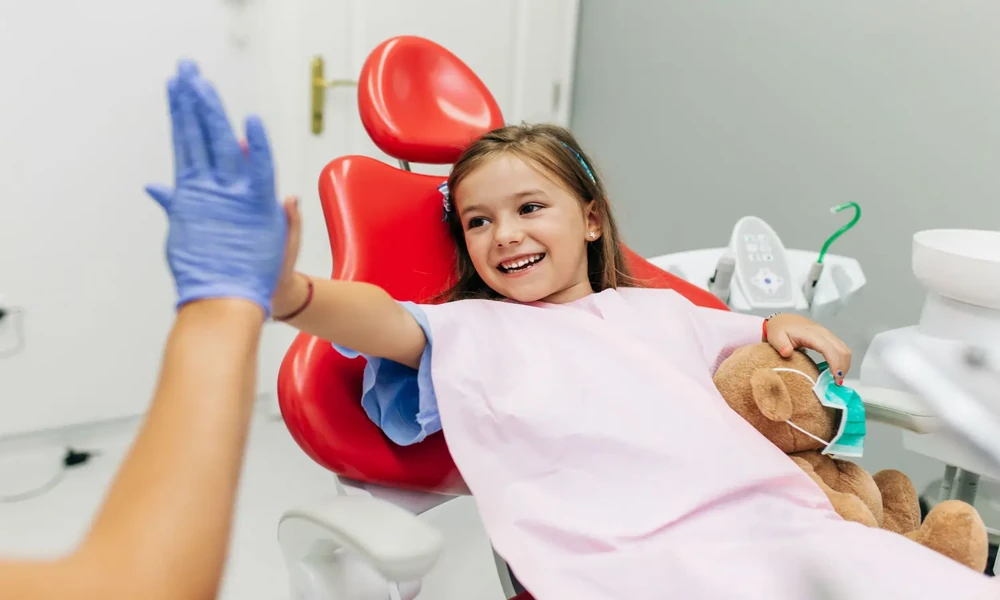
You might be feeling that knot in your stomach already. Your child hears the word dentist, their face changes, and suddenly a simple checkup feels like a much bigger event. Maybe there were tears at the last visit, maybe your child clung to your arm in the waiting room, or maybe you are trying to prevent that first hard experience before it happens. That stress is real, and it can make you wonder how a pediatric dentist in Greenbelt, MD gets a nervous child through dental care without fear taking over.
The good news is that a pediatric dentist is trained to do much more than clean teeth and fill cavities. The best care often starts with gentle communication, child focused pacing, and behavior guidance that helps kids feel safe before any treatment begins. In many cases, how pediatric dentists help anxious children comes down to trust, clear steps, and choosing the least stressful option that still gets the job done well.
Why can a dental visit feel so big for a child?
For a child, the dental office can feel full of unknowns. There are new sounds, bright lights, unfamiliar tools, and adults asking them to sit still with their mouth open. Even if nothing hurts, the loss of control can be enough to trigger fear. Because of that, a child who seems fine at home may become tense or upset as soon as the appointment starts.
And when a child is nervous, everything can feel harder. A short exam may take longer. A small cleaning may feel impossible. You may worry that forcing the visit will create a lasting fear, but delaying care can allow a small issue to turn into pain, infection, or more involved treatment later. So, where does that leave you?
It leaves you looking for a provider who understands children, not just teeth. According to the American Academy of Pediatric Dentistry, behavior guidance for pediatric dental patients is a core part of care. That means the visit is not only about treatment. It is also about helping children cope in ways that support their emotional development and safety.
How do gentle pediatric dental care methods actually work?
Gentle pediatric dental care usually starts before any instrument is used. The dentist and team may explain each step in simple words, show a tool before using it, and let your child build comfort one moment at a time. This is often called tell-show-do, and it can make a huge difference because it replaces surprise with predictability.
Voice tone matters too. A calm, steady, warm approach can lower a child’s guard. Some children do better when the visit moves slowly, with praise for each small success. Others feel safer when they know exactly what comes next and how long it will last. Parents are often part of this process, especially when their presence helps the child feel grounded.
In some cases, the dentist may suggest added support. This can include protective stabilization in limited situations, sedation options when appropriate, or care in a surgical setting for children with extensive treatment needs, certain medical conditions, or severe anxiety. The AAPD also outlines guidance around anesthesia and advanced behavior support in pediatric dentistry, which helps explain why different children may need different levels of care.
What if your child is so fearful that even gentle coaching does not seem like enough? For some children, nitrous oxide may be considered. Often called laughing gas, it can help reduce anxiety while keeping the child responsive and able to follow directions. The AAPD explains the use of nitrous oxide for pediatric dental patients and when it may be appropriate as part of a careful treatment plan.
What are the most common gentle techniques for nervous kids?
Parents often feel better when they know what these methods look like in real life. A child who fears the unknown may respond well to simple explanations. A child who is sensory sensitive may need quieter pacing and breaks. A child with a painful tooth may need fast relief paired with strong reassurance. Not every tool fits every child, and that is exactly the point.
| Technique | How it helps | Best fit for |
|---|---|---|
| Tell show do | Reduces fear by explaining and demonstrating each step first | Children who fear surprises or new experiences |
| Positive reinforcement | Builds confidence through praise and clear encouragement | Kids who respond well to reassurance and small goals |
| Parental presence | Creates a sense of safety and familiarity | Younger children or first time patients |
| Short, staged visits | Prevents overwhelm by spreading care over manageable appointments | Children with high anxiety or attention challenges |
| Nitrous oxide | Helps lower anxiety during treatment when basic guidance is not enough | Nervous children who still need to stay awake and cooperative |
This is why many families seek a dentist for nervous kids rather than a general office that may not be set up for these moments. The goal is not to push a child through fear. The goal is to meet that fear with the right support.
What can you do before the appointment to make it easier?
1. Keep the language simple and calm.
Tell your child they are going to have their teeth counted, cleaned, or checked. Avoid promising that nothing strange will happen, because that can backfire if the visit feels unfamiliar. Calm truth builds more trust than cheerful overpromising.
2. Schedule with your child’s rhythm in mind.
Try to book the visit at a time when your child is usually rested and fed. A tired, hungry child has less capacity to cope, and that can turn mild nerves into a full struggle.
3. Share concerns with the office before you arrive.
If your child has had a hard experience, sensory issues, medical needs, or strong dental fear, say so ahead of time. A pediatric dentist can often adjust the plan when they know what to expect. Sometimes that one conversation changes the whole tone of the visit.
How does the right pediatric dentist change the long term picture?
When children have positive dental experiences, they are more likely to return without fear, accept treatment earlier, and build healthier habits over time. That matters more than many parents realize. A gentle first experience can shape how your child thinks about oral care for years.
If your child is nervous, you do not have to choose between avoiding care and forcing it. There is a middle path, and it starts with a pediatric dentist who understands child behavior as well as dental treatment. With patience, planning, and the right techniques, even anxious children can learn that the dental chair is a place where they are heard, supported, and kept safe.
Take the next step by scheduling a visit with a pediatric dentist who uses thoughtful, child centered care and who will talk through your child’s needs before treatment begins.
