

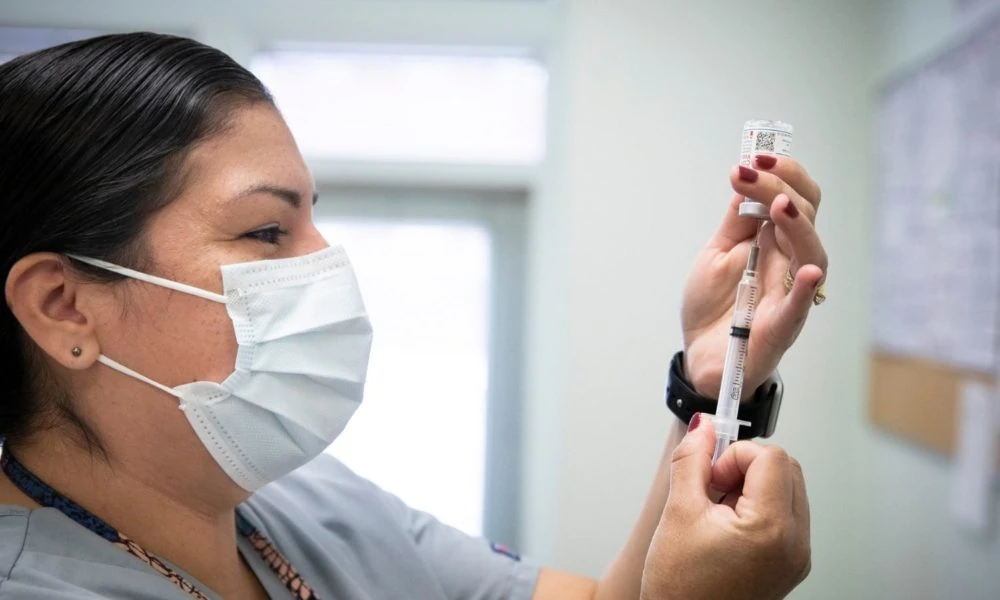
As people age, the immune system can become less responsive to infections, while chronic conditions may increase the risk of complications. For this reason, older adults remain an important group when planning protection against COVID-19. Staying informed about COVID-19 vaccination can help seniors and their families understand why updated doses may be recommended and what to expect before and after vaccination.
Why Seniors May Need Extra Protection
Older adults are more likely to experience severe COVID-19 illness than younger adults. The risk can be further increased by conditions such as heart disease, diabetes, chronic respiratory disease, kidney disease, or a weakened immune system.
Vaccination is designed primarily to reduce the risk of severe disease and death rather than guarantee that a person will never become infected. WHO recommends routine COVID vaccination for groups at highest risk, including older adults, with the exact age thresholds and schedules determined according to national circumstances.
How Often Should Seniors Be Vaccinated?
There is no single schedule that applies to every older adult worldwide. Recommendations can depend on age, previous vaccination, underlying health conditions, immune status, the vaccine available, and local public health guidance.
For example, current U.S. guidance for the 2026-2027 season recommends updated COVID-19 vaccination for adults aged 18 and older. For adults aged 65 and above, the CDC schedule specifies two doses of the updated vaccine, generally six months apart, with shorter minimum intervals under certain circumstances.
WHO guidance also recommends at least one dose each year for people at highest risk, with two doses approximately six months apart preferred in these groups.
Does Previous COVID-19 Infection Change the Need for Vaccination?
Having COVID-19 in the past can provide some immune protection, but that protection can change over time. Previous infection does not necessarily mean an older adult no longer needs vaccination.
WHO recommends vaccination according to national programmes even for people who have previously had COVID-19, particularly those at increased risk of severe illness.
Seniors should tell their healthcare provider when they last had COVID-19 and when they received their most recent vaccine. This information can help determine the appropriate timing of the next dose.
What Side Effects Can Seniors Expect?
Most vaccine side effects are mild and temporary. A person may experience soreness, redness, or swelling where the injection was given. Other possible reactions include tiredness, headache, muscle aches, chills, or a mild fever.
These symptoms generally resolve on their own. Rest, adequate fluids, and other simple supportive measures may help with temporary discomfort.
However, seniors should seek medical attention if they develop symptoms that are severe, unusual, or worsening after vaccination. Anyone with concerns about a previous serious vaccine reaction should discuss it with a healthcare professional before receiving another dose.
Can Seniors Receive Other Vaccines Too?
Older adults may be eligible for several routine vaccinations because age can increase vulnerability to respiratory and other infections. Depending on individual circumstances and local recommendations, these may include vaccines against influenza, pneumococcal disease, or other preventable illnesses.
COVID vaccination may sometimes be administered during the same visit as other vaccines. WHO notes that receiving COVID-19 vaccines alongside other vaccines can be considered when appropriate.
A healthcare professional can review a senior’s vaccination history and determine which vaccines may be due.
What Seniors Should Tell Their Doctor
Before receiving COVID vaccination, seniors should provide relevant information about their health and previous vaccine doses. This includes a history of serious allergic reactions to vaccines, immune system conditions, current medications, and recent COVID-19 infection or vaccination.
People receiving treatments that affect the immune system may have different vaccination considerations. CDC guidance recommends vaccination for people who are moderately or severely immunocompromised, although their schedule may differ from that of other adults.
Making an Informed Vaccination Plan
Keeping vaccination records up to date can make it easier for seniors and caregivers to determine when another dose may be appropriate. Because recommendations and available vaccine formulations can change, checking current guidance is important.
For older adults, COVID vaccination is one part of a broader approach to reducing the risk of severe respiratory illness. Maintaining regular medical care, managing chronic conditions, following appropriate preventive measures, and seeking prompt medical attention when symptoms develop can also support overall health.
Conclusion
COVID-19 can pose greater risks to older adults, particularly those with underlying medical conditions or weakened immunity. COVID vaccination can help provide protection against severe disease, while the appropriate schedule depends on factors such as age, health status, previous doses, and local recommendations.
Seniors should discuss their vaccination history and individual circumstances with a healthcare professional rather than relying on a one-size-fits-all schedule. Staying informed can help older adults make timely, informed decisions about their ongoing protection.
