

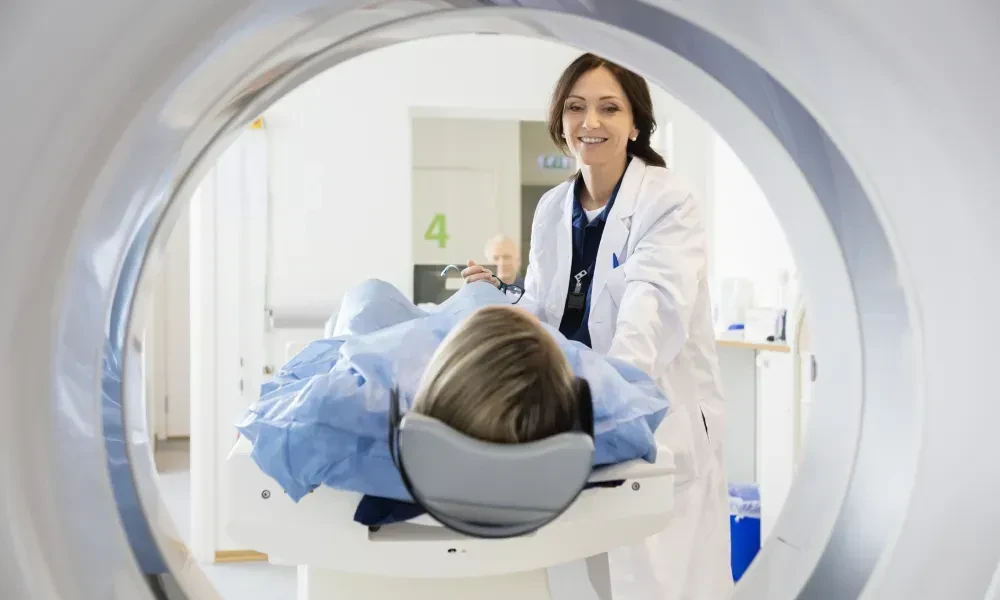
A Magnetic Resonance Imaging (MRI) technologist is a highly trained healthcare professional responsible for operating MRI scanners to capture detailed images of the human body. These images assist physicians in diagnosing, monitoring, and treating a wide variety of medical conditions. By producing high-quality scans of organs, tissues, muscles, bones, and internal structures, MRI technologists contribute significantly to accurate medical evaluation and patient care. As pointed out by Kasey McKillip, expertise and precision of MRI technologists ensure that patients receive reliable imaging results that support effective medical decision-making and treatment planning.
Kasey McKillip provides insights into the role of MRI technologists in modern healthcare
Within the healthcare industry, MRI technologists represent an essential part of the diagnostic imaging field. They work with some of the most advanced medical technologies available and help bridge the gap between sophisticated imaging equipment and patient-centered healthcare. Although they often work behind the scenes, their role is critical in ensuring that healthcare providers obtain the accurate information needed to diagnose illnesses and develop treatment strategies. Their knowledge, technical skills, and commitment to patient safety make them invaluable members of the medical team.
MRI technologists are often regarded as silent contributors to modern medicine because much of their work happens away from direct public attention. Despite this, their contribution to healthcare is substantial. In an era where medical technology continues to advance rapidly, MRI technologists play a major role in maintaining the accuracy and efficiency of diagnostic procedures. Their careful attention to detail allows physicians to detect conditions early and begin timely treatment. By producing clear and precise images, they help improve patient outcomes and support the overall quality of healthcare services.
Unlike imaging methods such as X-rays or CT scans, MRI technology does not rely on ionizing radiation. Instead, it uses powerful magnetic fields and radio-frequency waves to generate highly detailed cross-sectional images of the body. This makes MRI a safer alternative for many individuals, especially patients who require multiple scans over time, including children, pregnant women in certain situations, and patients with chronic conditions requiring regular monitoring.
Operating MRI equipment requires specialized education and technical expertise. MRI machines are highly sophisticated systems that demand a strong understanding of imaging technology, anatomy, patient care, and safety procedures. Individuals pursuing a career as MRI technologists typically complete an associate degree in radiologic technology or a related healthcare field. Following their academic education, they undergo extensive clinical training focused specifically on MRI procedures and equipment operation. Their training includes learning about patient positioning, image acquisition techniques, equipment calibration, anatomy recognition, and emergency safety protocols.
As mentioned by Kasey McKillip, MRI technologists must also develop a thorough understanding of the potential risks associated with strong magnetic fields. Safety is one of the most important aspects of MRI procedures, as certain metallic objects or medical implants can pose serious hazards within the MRI environment. Technologists are trained to carefully screen patients before scans to ensure their safety and prevent complications. Their attention to detail and adherence to strict safety guidelines help create a secure environment for both patients and healthcare staff.
