

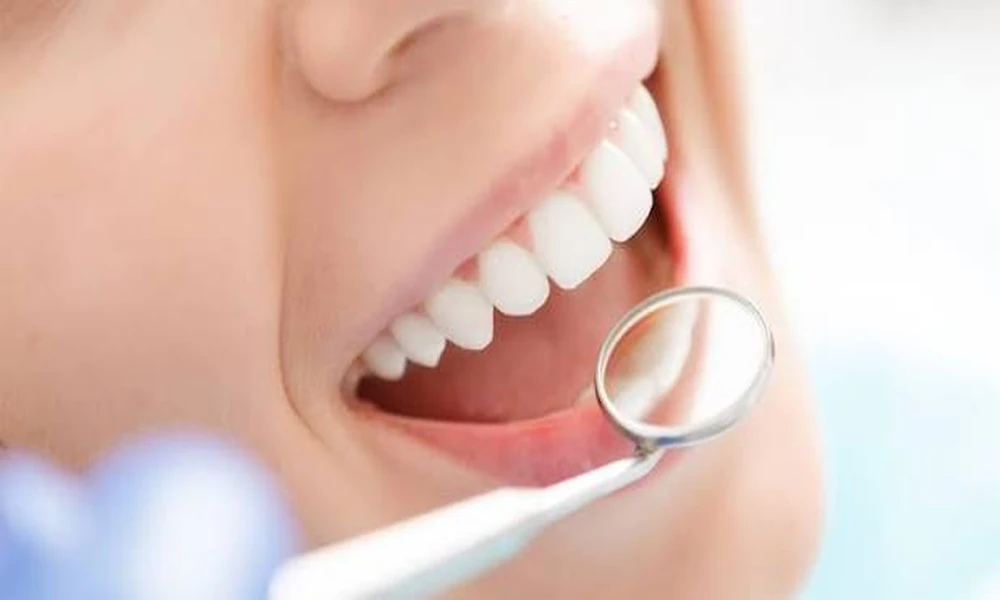
You may have heard that a few fillings in baby teeth can somehow lead to braces later, and that idea can sit in the back of your mind every time your child opens wide at a checkup. If your child already has crowns, fillings, or treatment for cavities, it makes sense to wonder whether those early repairs changed the path of their bite. The short answer is this: childhood dental restorations do not automatically cause braces, but the tooth decay, tooth loss, space changes, and jaw development issues around those restorations can affect whether orthodontic treatment is needed later, which is why early orthodontic evaluations in Mt. Kisco can be helpful.
That distinction matters. A filling is meant to save tooth structure and help a child chew, speak, and grow normally. In many cases, restoring a tooth actually lowers the risk of bite problems by keeping that tooth in place until it is ready to fall out naturally. The larger concern is what happens when decay is severe, baby teeth are lost too early, or the developing bite is already shifting. A pediatric dentist and orthodontist often look at the same child from two angles, one focused on protecting teeth now, the other on guiding growth over time.
Dental restorations protect baby teeth, but early damage can change bite development
Baby teeth hold space for adult teeth. When a child gets a filling or crown, the goal is usually to preserve that space and keep the bite stable. The American Academy of Pediatric Dentistry explains in its guidance on pediatric restorative dentistry that restoring decayed teeth supports normal function and helps maintain the dentition as a child grows.
The problem starts earlier. Deep cavities can weaken teeth, change how a child chews, and sometimes lead to infection or extraction. If a baby tooth comes out too soon, nearby teeth can drift into that open space. When the adult tooth is ready to erupt, there may not be enough room. That is one of the clearest links between early dental treatment and later orthodontics. It is not that the restoration caused crowding. It is that the disease process and loss of space can set the stage for crowding.
This is often where parents feel frustrated. You did the right thing by treating the cavities, yet braces still come up a few years later. That can feel unfair. In reality, restorative care may have prevented a bigger orthodontic problem.
Early childhood cavities and missing space often shape future orthodontic needs
Severe decay in young children can move fast. The AAPD describes in its policy on early childhood caries and treatment options how this pattern can affect nutrition, sleep, comfort, and oral development. A child with pain may chew on one side, avoid certain foods, or struggle to keep teeth clean. Those habits do not guarantee crooked teeth, but they can add stress to a developing mouth that is already trying to grow in balance.
Think about a child who loses a second baby molar at age five because the cavity was too large to save. The first permanent molar may drift forward before the premolar underneath is ready to erupt. A small shift at that age can later become crowding, blocked eruption, or a bite that no longer lines up well. In another child, stainless steel crowns on several baby molars may preserve the bite beautifully and help the adult teeth come in with fewer problems.
This is why childhood fillings and future orthodontic treatment are linked in a nuanced way. Restorations are often part of prevention, not the cause of braces.
Monitoring jaw growth and tooth eruption catches problems before they grow
Orthodontic needs are not only about cavities. Genetics, thumb sucking, airway issues, early or late tooth eruption, and jaw size all play a role. The AAPD recommends regular assessment of eruption patterns, spacing, and occlusion in its guidance on developing dentition and occlusion. Its broader recommendations for the management of the developing dentition and occlusion in pediatric dentistry support early identification of space loss and other developing concerns.
You do not need to panic over every filling. You do want someone watching whether the restored tooth is holding space, whether the adult tooth beneath it is on track, and whether the jaws are growing in a way that supports a healthy bite. That is where the connection between early dental restorations and braces becomes useful rather than scary. It gives your child a chance to be monitored, not labeled as destined for orthodontics.
Common restoration scenarios and their effect on future braces
| Childhood situation | Likely effect on bite development | Possible orthodontic impact |
|---|---|---|
| Small filling in a baby tooth | Usually preserves normal shape and space | Low direct impact |
| Crown on a baby molar | Helps maintain chewing function and arch length | May reduce risk of space loss |
| Early loss of a baby tooth from decay | Nearby teeth may drift into the gap | Higher chance of crowding or blocked eruption |
| Multiple untreated cavities | Can alter chewing, comfort, and oral habits | Indirect increase in orthodontic concerns |
| Space maintainer after extraction | Helps hold room for the permanent tooth | May lower need for later correction related to space loss |
Clear steps help you protect your child’s teeth and future bite
Ask for eruption and spacing checks at routine visits. If your child has crowns, fillings, or a history of extractions, ask how those teeth are affecting space for adult teeth. A quick look at spacing and eruption timing can catch problems before they become harder to manage.
Replace lost space when needed. If a baby tooth comes out early, ask whether a space maintainer makes sense. Not every child needs one, but when space is at risk, waiting can create a more complicated orthodontic problem later.
Schedule an orthodontic screening at the right age. Many children benefit from an orthodontic evaluation by age seven, especially if they have early decay, missing baby teeth, or visible crowding. A root service like orthodontics is not just about straight teeth. It is also about guiding growth at the right time.
If your child has already needed dental work, you have not failed them. You addressed a problem, and that matters. The next step is simply making sure those early repairs are supporting healthy growth all the way through the teen years. Thoughtful care from a pediatric dentist and orthodontist can protect both comfort now and alignment later.
