

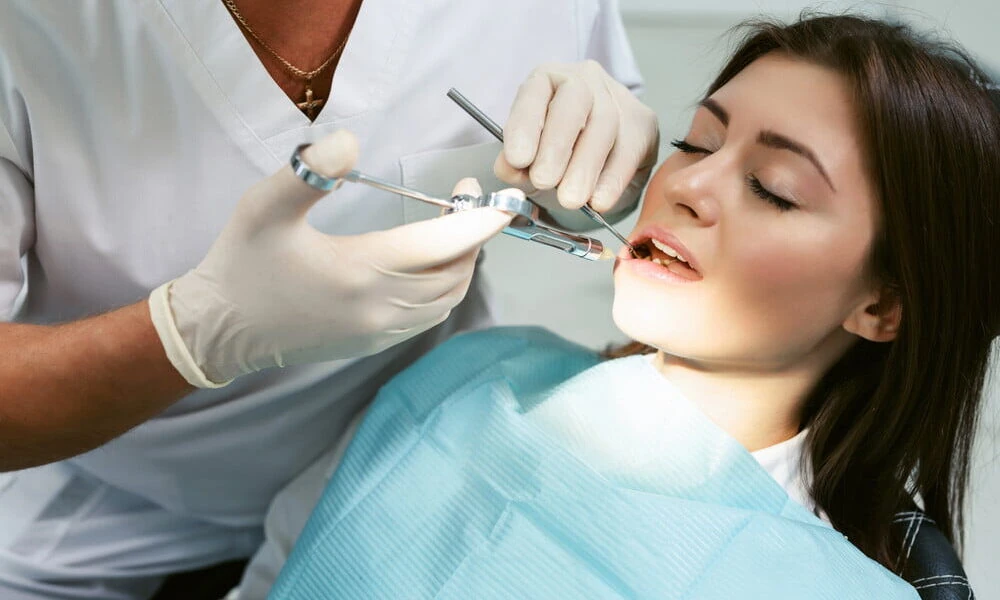
Dental implants deliver a long-lasting result, but the upfront investment can be significant enough to delay treatment for years. Fortunately, patients have more options than they often realise for bringing that number down without settling for lower-quality care. The following approaches are among the most practical ways to make implant treatment fit a real-world budget.
For patients concerned about the upfront investment, exploring affordable dental implants can make tooth replacement feel more achievable without automatically compromising on quality. Comparing treatment plans from different providers, asking what is included in the quoted fee, and considering options such as implant-supported dentures can help identify a solution that fits both dental needs and budget. Patients should also discuss financing, insurance benefits, and any available payment options during the consultation to understand the full financial picture before treatment begins.
Get Quotes From Several Providers
Fees for the same implant procedure can differ substantially between clinics in the same metro area, so collecting two or three written estimates before committing is one of the simplest ways to avoid overpaying. Speciality implant centres with their own in-house lab sometimes offer lower prices than smaller general practices meaningfully.
Look Into Dental Schools and Non-profit Clinics
Accredited dental school programs provide implant care at a reduced cost because the work is completed by supervised students or residents under licensed faculty. Community health centres and nonprofit dental clinics can offer similar savings, though appointment availability tends to be more limited.
Use Financing and Tax-Advantaged Accounts
Third-party medical credit cards and dental-specific financing companies let patients spread a large bill into monthly payments, sometimes with a promotional no-interest window. Health savings accounts and flexible spending accounts allow the same treatment to be paid for with pre-tax dollars, which lowers the effective cost.
Consider a Simpler Restoration Option
An implant-supported overdenture on two implants costs considerably less than a fixed full-arch bridge on four or more, while still offering far more stability than a traditional removable denture. For patients missing several teeth, choosing this middle option can meaningfully lower the total bill.
Time Treatment Around Insurance Benefits
Splitting a larger treatment plan across two calendar years lets a patient use two separate annual insurance maximums instead of just one, which can meaningfully offset the portion insurance does cover, even though most plans still treat implants as a mostly out-of-pocket procedure.
It is also worth asking whether a plan covers the crown or restoration portion of treatment even if it excludes the implant post itself, since that partial coverage can still shave a meaningful amount off the total.
Ask About Seasonal Promotions and Bundled Pricing
Some practices run periodic discounts on full-arch treatment or offer a reduced bundled rate when multiple implants are placed in the same visit rather than across separate appointments. These promotions are not guaranteed to be available, but it costs nothing to ask during a consultation whether any current offers apply to your case.
It is also reasonable to ask a practice directly whether they can match or beat a competing written estimate, since some offices are willing to adjust their fees once they know they are being compared against another provider.
Conclusion
Affordable implant treatment is usually the result of combining several of these strategies rather than relying on a single discount. Comparing providers, exploring lower-cost care settings, and using financing tools thoughtfully can bring a full course of implant treatment within reach for many more patients than the sticker price alone would suggest.
